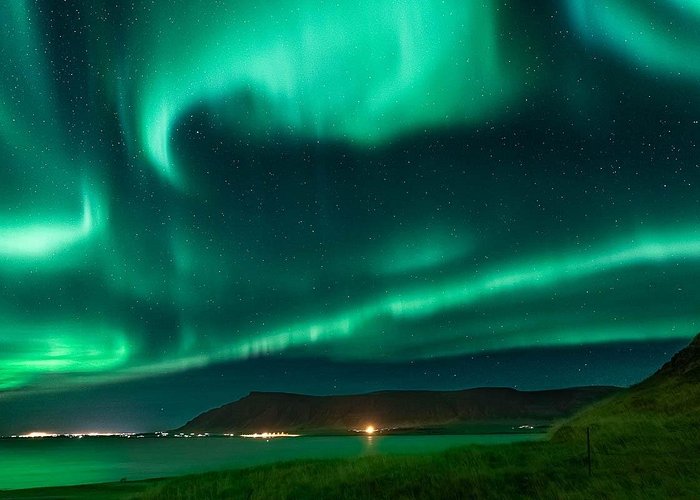
Golden Circle & Northern Lights Tour from Reykjavik
4.7 (111 reviews)
The Golden Circle by day and a hunt for the aurora after dark, driving out to darker skies away from the city lights.
from $151/person
In the darker half of the year, some tours pair the daytime Golden Circle loop with an evening chase for the northern lights — two very different Iceland experiences in one long day.
From roughly September to March, the long Icelandic nights open a window for the aurora borealis. A combined tour makes use of the whole day: the Golden Circle's sights while there is daylight, a break, and then a drive out into the dark countryside away from Reykjavík's light to watch for the lights. It is an efficient way to try for the aurora without booking a separate night excursion.
The northern lights are visible only when the sky is dark enough, which in practice means the darker months. Activity can be strong at any point in that window, but two things must line up: clear skies and enough auroral activity. Summer's midnight sun rules the lights out entirely, so a northern-lights tour is a winter-half proposition.
No operator can promise the aurora, because no one controls the weather or the sun. Cloud cover is the usual spoiler, and even on clear nights the lights can be faint or brief. Reputable tours manage this honestly: many offer a free re-try on another night if the lights do not appear, which is worth looking for when you book. Treat a sighting as a bonus on top of the daytime loop rather than the sole point of the trip.
After the daytime sights, the evening hunt involves driving to darker areas and waiting, sometimes for a while, in the cold. Guides watch the forecast and move to give the best chance. To the naked eye the lights often appear as pale, shifting greys and greens; a camera with a long exposure captures far more colour, so a tripod and a phone or camera that allows night mode are worth bringing.
Standing still outdoors at night in winter is cold work. Dress in warm layers with a windproof outer shell, a hat, gloves and warm footwear, and bring more than you think you need. A hot drink in a flask is a small comfort that makes a long wait easier. The how to prepare page has a full packing rundown.
Winter combined tours vary in how much time they give to each half of the day, so read the itinerary before booking, and check the re-try policy. See the current winter options on the tours list, and read the seasons page to understand what a winter Golden Circle day is really like. Sightings, prices and schedules all vary — confirm the details when you book.
Two forecasts decide an aurora night: cloud cover and geomagnetic activity. Iceland's met office publishes an aurora forecast that pairs a cloud map with an activity scale, and guides lean on it to choose where to drive. A dark, clear sky away from town is the single biggest factor — even modest activity shows well under a truly dark sky, while a bright, cloudy one hides a strong display.
A phone in night mode braced on something steady can capture the aurora, but a camera that allows manual settings does better: a wide, bright lens, a high ISO, and a multi-second exposure on a tripod. Focus to infinity in advance, because autofocus struggles in the dark. Dress for standing still in the cold for a while — the waiting, not the watching, is what chills you. A typical winter combined tour runs long, with the loop by day and the hunt stretching into the evening, so pace your energy across the whole day.
Booking goes through each tour’s own listing. Prices are per person unless noted and were last checked in July 2026 — confirm the live price when you book.
4.7 (111 reviews)
The Golden Circle by day and a hunt for the aurora after dark, driving out to darker skies away from the city lights.
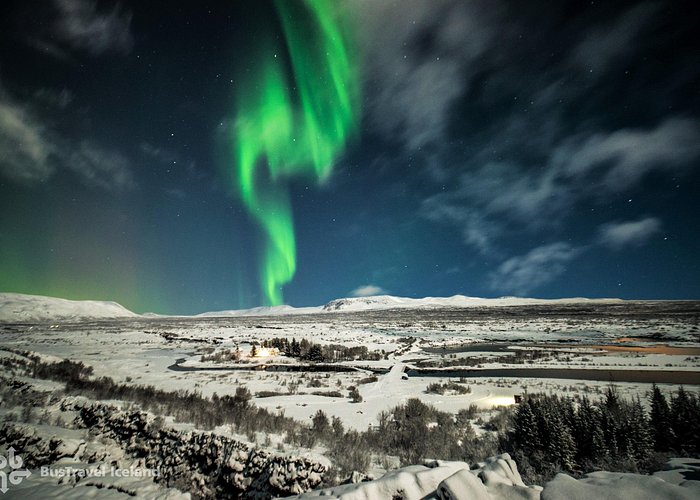
4.6 (85 reviews)
A winter combination: the daytime loop, a warm soak in the Secret Lagoon, and an evening watch for the northern lights.
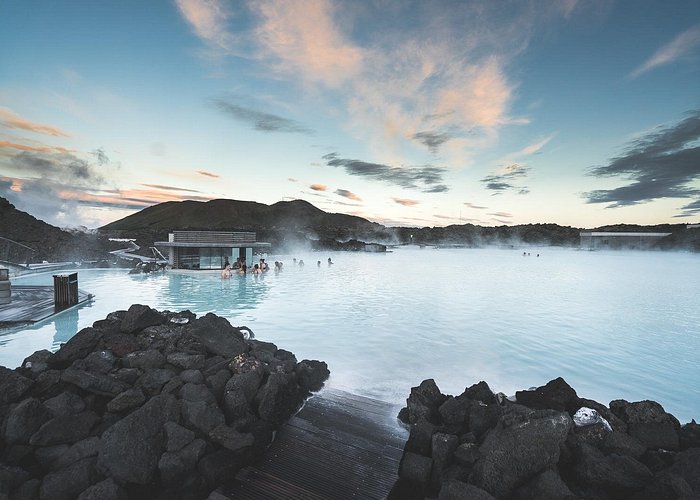
4.8 (65 reviews)
A full day and evening in one — the loop, timed Blue Lagoon admission, and a northern-lights hunt after dark.